The single most powerful investment a writer can make is in their reading life. The good news? In South Africa in 2026, a world of books is available to you without spending a single rand.
From the classics of world literature to the vibrant, urgent voices of contemporary South African writing, there are legal and accessible ways to fill your reading life – on your phone, tablet, laptop or any device with an internet connection. Here is your complete guide.
1. Your public library app: more powerful than you think
Most South Africans don’t realise that their public library card unlocks a remarkable digital reading world. If you have a library card, or can get one for free at your nearest public library, the following apps open up thousands of eBooks and audiobooks at no charge.
Libby (by OverDrive)
Libby is one of the most beloved library apps in the world, and it’s fully available in South Africa. Download the app (iOS or Android), enter your South African postal code, select your province’s library and sign in with your library card. Currently supported South African provinces include Gauteng, KwaZulu-Natal, the Free State, the Eastern Cape, and the Western Cape.
Each provincial library offers its own digital collection – Gauteng’s collection currently runs to around 10,000 titles, while the Free State library offers approximately 14,000. You can even register with multiple libraries to access a broader selection. Books can be downloaded for offline reading, which is particularly valuable in areas with unreliable data connections.
How to get started: Visit your nearest public library, ask for a barcoded library card and request activation for the eBook service. Access typically takes a few days to activate.
Writers’ tip: Don’t overlook audiobooks. Hearing how a skilled author controls the rhythm of a sentence or the pace of a scene is one of the most underrated tools in a writer’s education.
Western Cape Libraries via OverDrive
Western Cape library members can access the Libby app or use the Western Cape OverDrive portal to borrow eBooks and audiobooks. A valid, unexpired Western Cape library card is required. Contact your local branch for registration details.
2. The African Digital Library: built for you
This is a resource too few South African readers know about, and it deserves to be far better known. The African Digital Library (ADL) is a collection of eBooks accessible free of charge to anyone living on the African continent. Its mission is to provide digitised full-text resources to learners across Africa – specifically to help bridge the digital divide and contribute to lifelong learning on the continent.
The collection spans management, health, agriculture, religion, information technology, and many more subjects, and the full text of each book can be searched directly. Registration is free and takes only a few minutes – all you need is a name, phone number and chosen login.
This is a genuinely African resource, built with African learners in mind. Use it.
3. Project Gutenberg: 77,000 classics, including South African works
Project Gutenberg is one of the oldest and most trusted free eBook libraries in the world, offering over 77,000 titles – all works whose copyright has expired and which are now freely available to anyone, anywhere. No fees or app required.
For South African readers, there is a dedicated South Africa shelf at gutenberg.org/eBooks/bookshelf/135 featuring works including Sol Plaatje’s Native Life in South Africa and a range of historical texts that illuminate the country’s complex past.
Beyond the South African collection, Gutenberg gives you unfettered access to the entire canon of world literature in EPUB and Kindle formats, readable on any device.
Writers’ tip: Read one classic a month alongside your contemporary reading. Pay attention not to plot, but to craft – how does Dickens open a chapter? How does Plaatje build tension? These are lessons that don’t age.
4. Open Library: discover modern titles
Open Library is building towards a web page for every book ever published, with over 3 million books to read and discover for free. Unlike Gutenberg’s focus on older works, Open Library uses a digital lending system for more contemporary titles – you borrow a book for a set period, exactly as you would from a physical library, then it’s automatically returned.
Open Library has a rich South Africa section covering history, politics, apartheid, fiction and biography, with works by and about Nadine Gordimer, Nelson Mandela, Desmond Tutu and many others available to read. No South African library card is required, making it accessible even if you don’t yet have a provincial library membership.
5. Standard EBooks: classics done properly
Free classic eBooks often suffer from poor formatting or sloppy digitisation. Standard Ebooks exists to fix that. This volunteer-run project takes public domain texts and produces them to a genuinely high editorial and typographical standard – properly laid out, carefully proofread and formatted for modern eReaders.
For writers who want to study the craft of great literature without fighting badly scanned text, Standard Ebooks is a joy. Every book is free and beautifully produced and the catalogue grows constantly.
6. ManyBooks: 50,000 titles across every genre
With more than 50,000 free eBooks spanning fiction, non-fiction, history and self-help, ManyBooks is a well-curated and accessible platform for readers who want variety. Its editors actively surface lesser-known gems from the public domain that might otherwise go unread, making it excellent for writers looking to explore beyond the obvious classics.
A free newsletter also highlights newly available and discounted titles, which is useful if you’re expanding into an unfamiliar genre.
7. LibriVox: audiobooks for writers on the move
Not every reading moment happens sitting still. LibriVox is a global volunteer project that produces free audiobook recordings of public domain texts – thousands of them, available to download without any registration or cost.
For South African writers who commute by taxi or do manual work, LibriVox is a powerful way to absorb great literature during hours that might otherwise be lost. Hearing prose read aloud develops an instinct for rhythm, pacing and the musicality of language that is very difficult to teach any other way.
8. Kobo: eBooks with a South African storefront
Rakuten Kobo operates a dedicated South African store with a growing collection of genuinely free eBooks – including romance, science fiction, mystery, thriller and young adult titles, as well as works celebrating diverse and underrepresented voices. No subscription is required; simply create a free Kobo account and start downloading.
Kobo’s free selection is curated and rotates regularly, making it worth checking back every month for new additions.
9. BookDash – for young readers
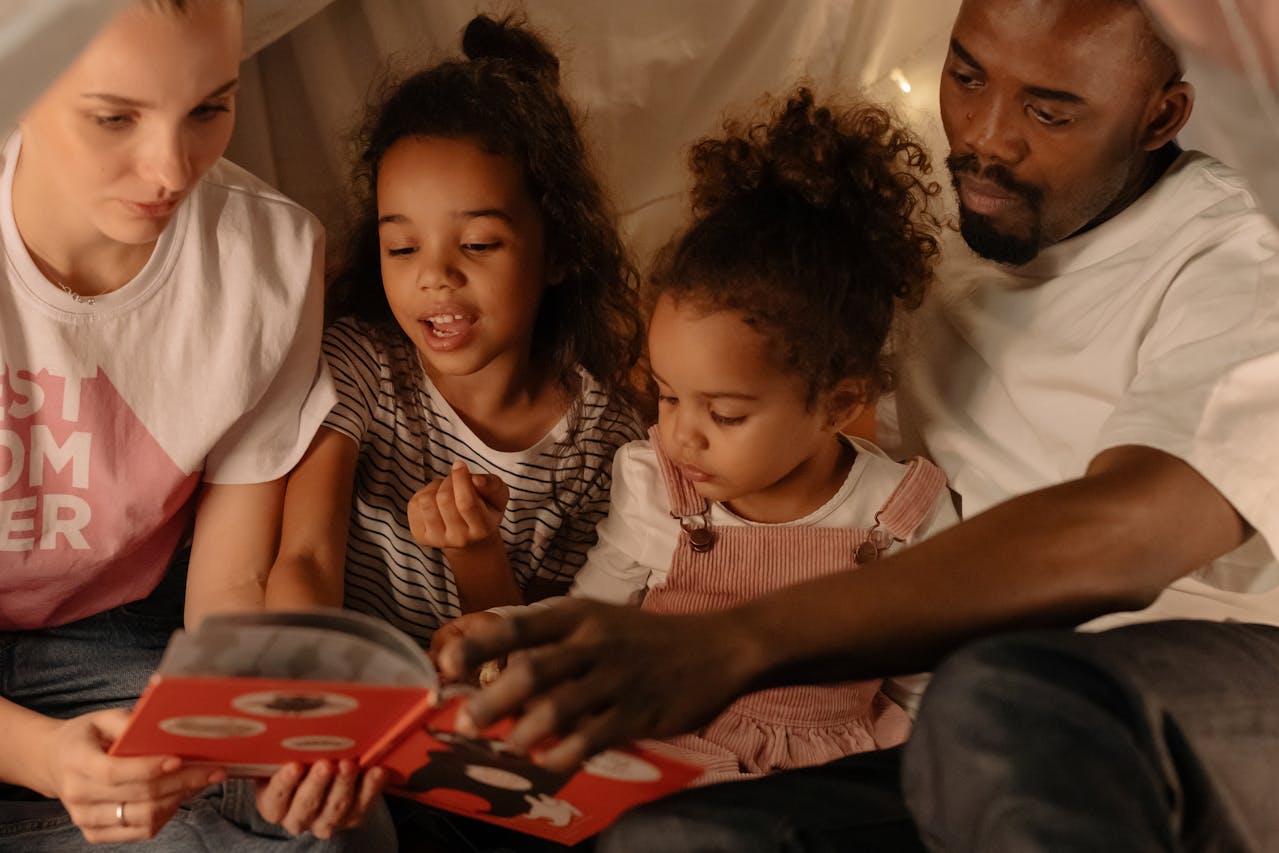
Book Dash is a South African non-profit tackling the country’s literacy crisis by flooding communities with free, high-quality picture books for young children. It runs on a clever “hackathon” model, where creative professionals volunteer their time to produce a brand-new children’s book in just 12 hours. Published under a Creative Commons licence, the books can be freely adapted, translated, and distributed by anyone; the only cost is printing. With translations across all 11 official South African languages, the books are designed for preschool-aged children and are accessible to everyone, readable online, downloadable for free, or available through their app. To date, Book Dash has put over five million books into the hands of children across South Africa and beyond.
A word on data and offline reading
In South Africa, data costs remain a real barrier for many readers. A few practical tips:
- Download, don’t stream. Libby, SA Books Online, and most other apps allow you to download books for offline reading. Do this on Wi-Fi (at a library, school or café) and read without using data.
- Use library Wi-Fi. Most public libraries offer free Wi-Fi. Use your library visit to download several books at once.
- EPUB over PDF. Where possible, choose EPUB format over PDF. EPUB files reflow to fit any screen size, making them far more readable on a smartphone – the device most South Africans use to access the internet.
A note on reading legally
Every platform listed in this article offers books through legitimate, legal channels. Pirated eBooks – whatever short-term saving they appear to offer – harm writers directly, depriving them of the income that allows them to keep writing. When you borrow through your library or download from a legal free platform, you honour the work and the writer behind it.
South African writers deserve readers who value their work. As you build your own writing life, let that principle guide your reading life too.
Start today
You don’t need a bookshop budget to build a rich reading life. You need a library card, a smartphone and the knowledge of where to look. With the platforms above, thousands of books – South African and international, classic and contemporary – are available to you right now, at no cost.
Read widely. Read hungrily. And let everything you read pour back into your writing.
Ready to turn your reading passion into a writing career? Explore SA Writers’ College’s range of online writing courses here.