BY SHARNÉ DENNER
Whenever people hear that I left medical practice to pursue a career in copy-editing and proofreading, they tend to react the same way:
‘What the … WHY?’
Usually followed by disbelief, head-shaking and occasional mutterings of ‘You must be crazy.’
For a long time, I barely understood it myself.
My exit from medicine wasn’t dramatic. There was no cinematic Eureka! moment, no one slid down a wall in despair or slammed a door in a fury of existential rage. It was quieter than that: like a frog in a pot of slowly boiling water. One patient, one day, one weekend at a time, the unhappiness of being at work crept in until it became indistinguishable from the dread of having to do it all again tomorrow. I was counting down the hours whether I was on the clock or off it.
So, how did I get here?
The path I didn’t realise I was choosing
I never declared: ‘I’m going to be a doctor!’ At eighteen, I dabbled with ideas of accounting, music, art, journalism – even veterinary science. Medicine seemed prestigious, my marks were good, and shows like Grey’s Anatomy and House MD made it look glamorous. So I applied. I was accepted. Off we went.
Medical school rushed by in a blur of lectures, late nights, exams and hospital rotations. The three years of internship and community service were tough, yet I counted the days until I could ‘be free’ as a GP. Except, freedom never came. Instead, I carried around a persistent unease. Happiness remained elusive.
Trying to make medicine fit
The truth no one tells you in medical school is what happens when you finish your degree … and realise you don’t actually want to practise clinically. Reactions to this sentiment are not kind: What do you mean you don’t want to treat patients? You swore an oath! Medicine offers no vocabulary for opting out; leaving clinical practice is taboo.
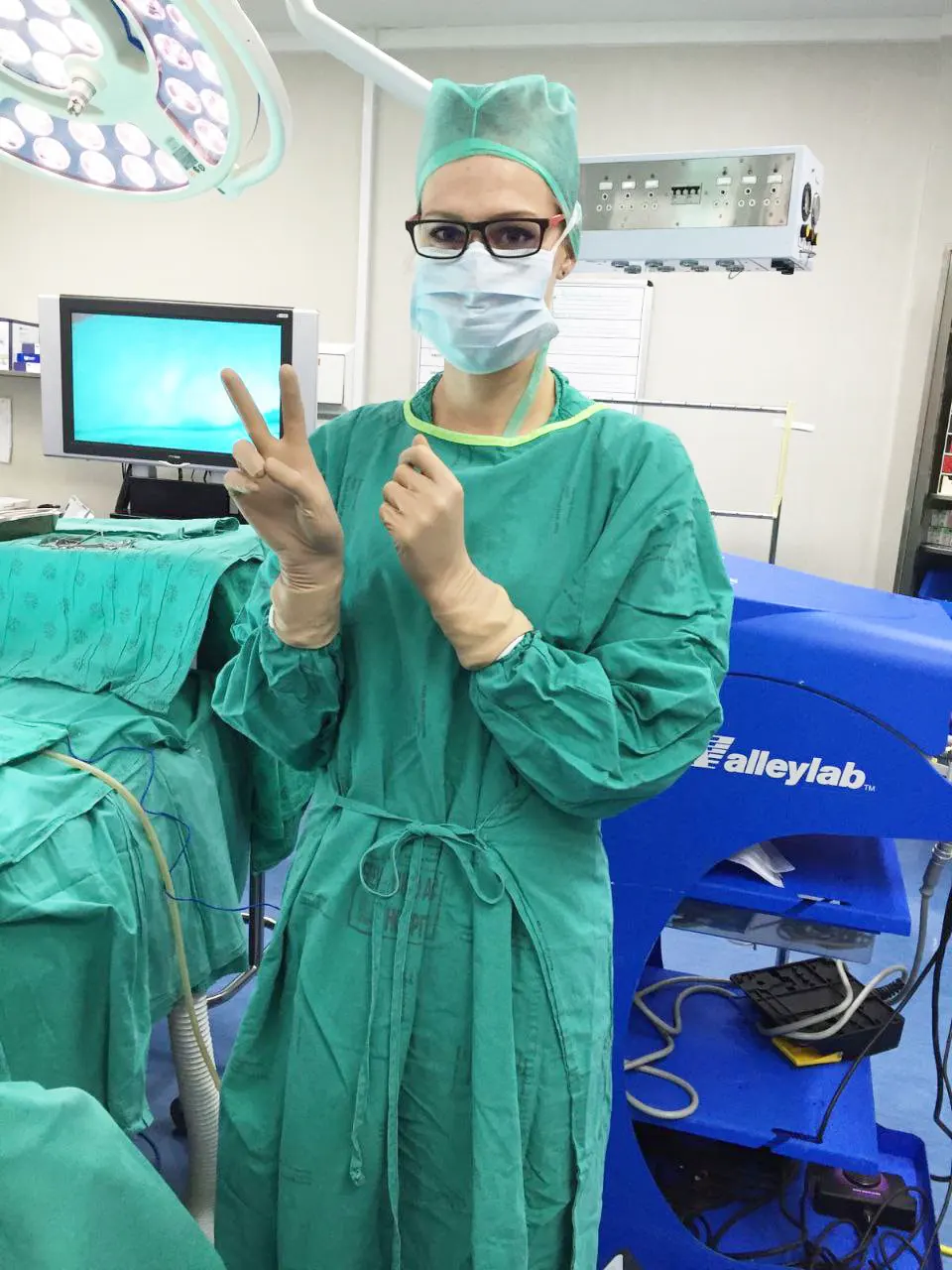
I tried everything: small private practices, large corporate ones, locum shifts, taking weekends off, even clinical research as a study investigator – nothing fit. Emergencies – the moments clinicians rise to the challenge, Superman to the rescue! – left me panicked and shaky. They were unavoidable, no matter the setting. After shifts, I’d breathe into my hands, wipe away tears, and wonder: What’s wrong with me? Why can’t I cope like everyone else?
An unexpected door opens
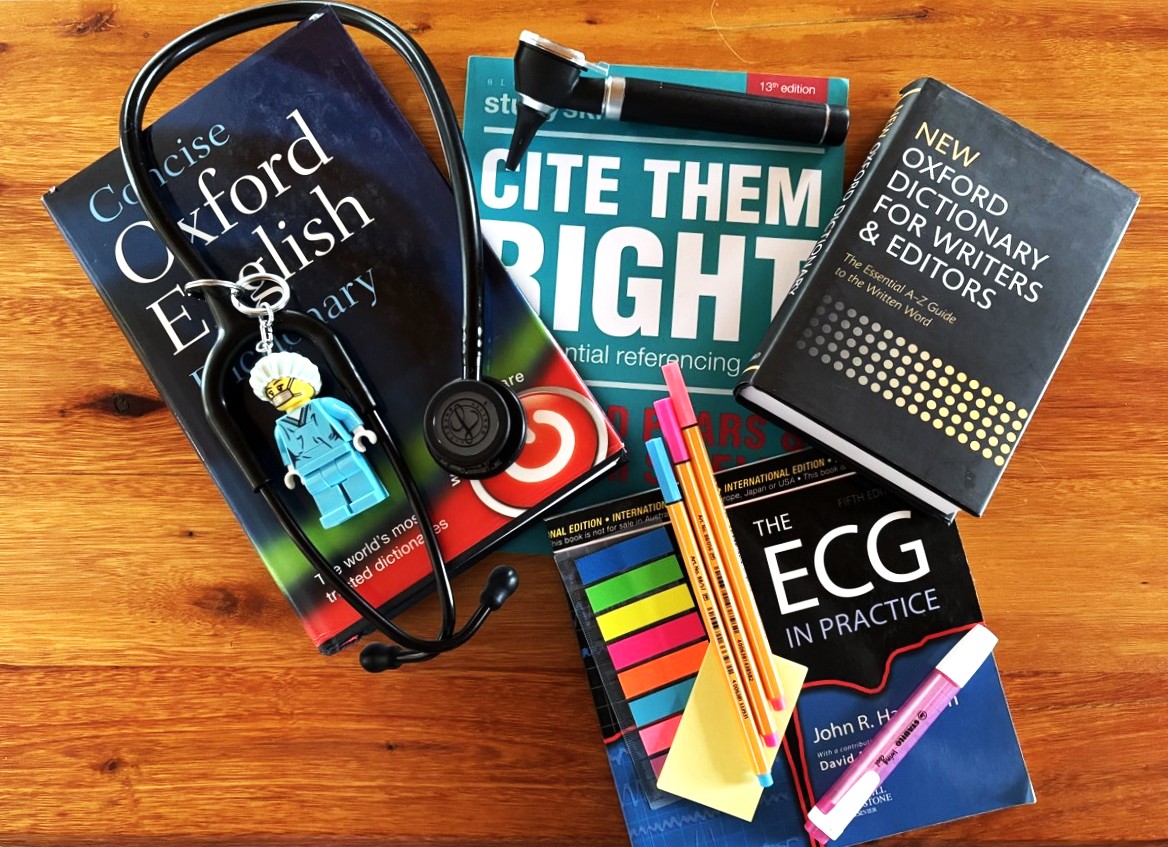
The turning point came through a postgraduate diploma in clinical trial management. The programme required me to write 25 scientific papers. I discovered that writing relaxed me, research felt natural and I found myself obsessing over the referencing.
But editing? That’s when everything clicked. Could this be my direction? Do people actually … work as editors?
The idea of leaving medicine was terrifying – I was abandoning years of hard work, a prestigious degree, paid-off student loans and the title ‘Doctor’, woven into my identity.
I didn’t want to burn bridges or disappoint anyone. I just wanted to slip quietly out the back door.
Building a new life, one course at a time
I cautiously explored my options. The MedComms Mentor website helped, and an email to a Cape Town editing company directed me to the Professional Editors’ Guild (PEG). Through PEG, I discovered real courses, training, qualifications and a host of people asking the same questions.
However, having a medical degree and a postgraduate diploma didn’t quite automatically qualify me to be an editor. I needed skills, experience and guidance – and I needed them fast.
I joined SA Writers’ College, completing my first copy-editing and proofreading course under Di Smith, followed by a three-month internship and an advanced grammar course with Marian Michaux. The coals of hope were faint, but warming.
My first actual editing work? A 50-page academic manuscript. I agonised over every sentence and comma, but for the first time in years, I knew I was where I belonged.
The realities of a new career
Freelancing can be brutal. Anxious weeks may pass with no work, then suddenly a 200-page document lands at 7 pm on Friday, due Monday 8 am. Cue a caffeine-fuelled weekend of stress and determination. But, for me, the difference is clear. I love the work, the autonomy, the challenges and the creativity. Choosing this kind of uncertainty over the stress of clinical practice? Absolutely. Every single day.
Mark Manson, in The Subtle Art of Not Giving a F*ck, calls it ‘choosing your suck’. (A book I highly recommend to anyone having to make some hard decisions about where they’re at in life.)
Hope, rediscovered
Without PEG, SA Writers’ College and my mentors Di Smith and Marian Michaux, I’m not sure I’d be writing this blog at all. Those early courses were lifelines in a stormy, uncertain transition.
After months of unsuccessful LinkedIn job applications, unanswered emails and moments of doubt, my first breakthrough came via a PEG job-board email. To be frank, I didn’t even meet their minimum criteria – at least two years’ editing experience and a degree in English – but I sent a wordy, professional email. They took me on as a work-in-progress.
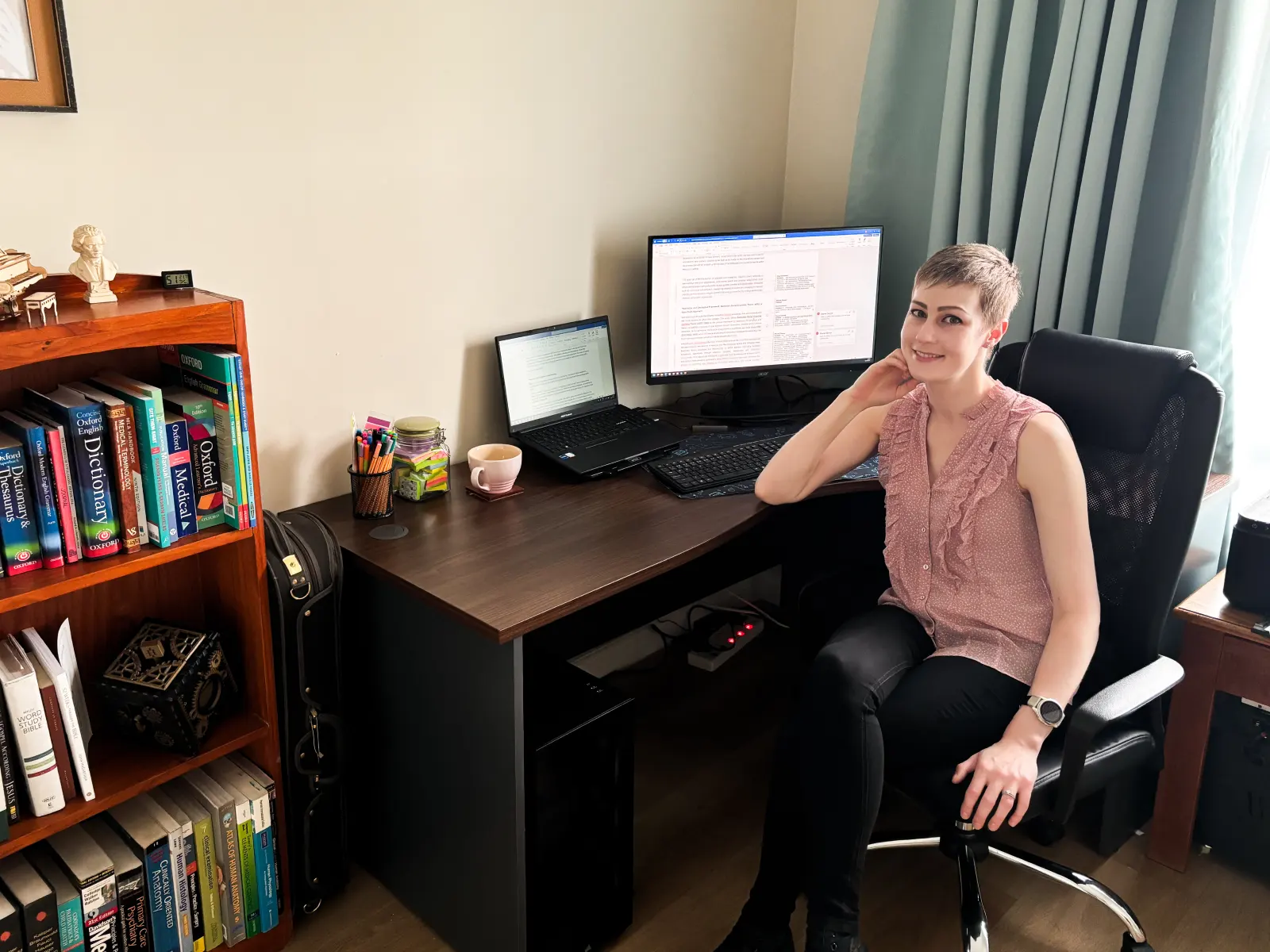
I’m now editing full time (well, as full time as the work decides to show up!), building a career I actually want and aspiring to eventually becoming a medical editor for journals like JEMDSA or The Lancet.
For the first time in years, I have hope. I have dreams – and they’re filled with commas and semicolons.