BY ETIENNE LOMBARD
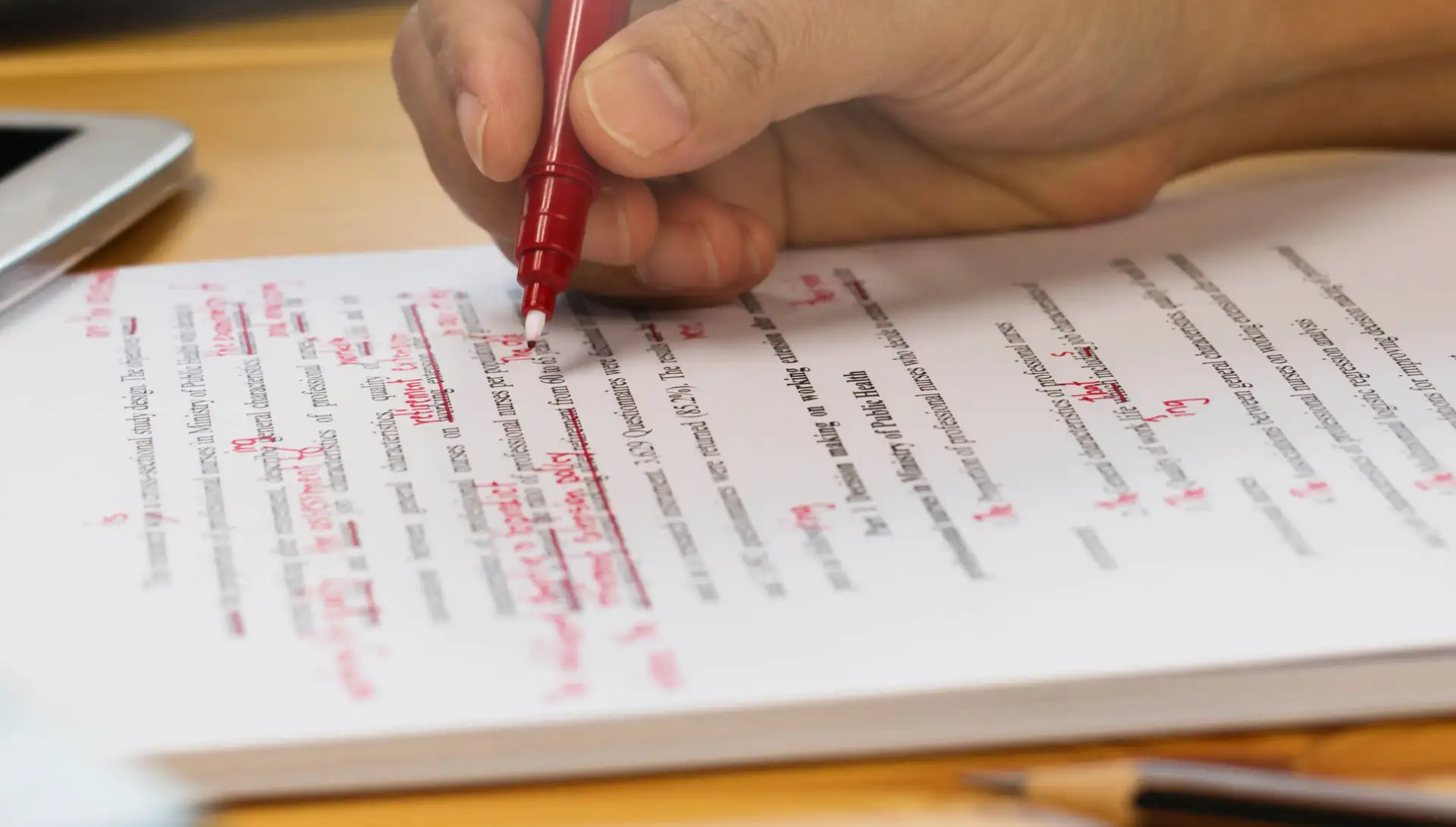
The desk was glass, long and cold, and on clear days I could see Table Mountain reflected in its surface from where I sat on the fourteenth floor of a building in the Cape Town CBD. The mountain’s upper slopes go tawny in winter, patched with old burns and new growth pressing through. I barely noticed it then. I was reading an opposing counsel’s affidavit, making notes in the margin and composing a different life in my head.
I was born in Windhoek, grew up in Bloemfontein and studied law at Stellenbosch. Between Stellenbosch and the profession, there was the army, and thirteen months in Angola. I came back different in ways I did not yet have language for, and I put on a suit and got to work, because work was the thing you did with what you came back carrying.
My father was an attorney in Windhoek. By the time I was in school in Bloemfontein, he had taken silk and was practising as an advocate. He ended his career as a Judge of the High Court. I grew up watching him move through those chambers in his black robe, measured and certain. Law was not a choice I made so much as a landscape I was born into. The identity was waiting for me before I had the words to question it.
For three decades I practised commercial litigation. I was good at it. But being good at something that was never entirely yours is its own trap: it removes the excuse to leave. So, I stayed, and I adapted and I got sharper, and the distance between who I was in court and who I was in my own head widened without my quite noticing it happening.
Then, one unremarkable Tuesday, I read a Toni Morrison quote circulating online. ‘If you have some power,’ she said, ‘then your job is to empower somebody else.’ I had read it before, but without really hearing it. That day it landed differently. I had been giving my power, my sharpest hours, my best arguments, to commercial disputes. I was sixty years old. I had spent thirteen months in a war I had not chosen, and thirty years in a profession that had been chosen for me long before I was old enough to choose. The arithmetic of what remained felt suddenly and uncomfortably clear.
I had known for years that something was wrong. On Signal Hill at sunset, watching the city go orange and small below me, I would feel it settle in my chest: the longing of having always known I was better at putting words on a page than at winning arguments. I’d never once admitted it aloud. I kept a notebook in my desk drawer at the office. I told myself it was for drafting notes. On Signal Hill, I knew it was not.
The fynbos burns because it has to. The Cape’s entire ecosystem is built on this: the protea’s seed pods crack only under extreme heat, releasing what had been held back for years. I had spent three decades trying not to burn, maintaining a surface that looked intact, while underground – and long before that, in the red dust north of the Cunene River – the pressure had been building the whole time.
I left the firm, though not the law. I work from home now, still an attorney, but with mornings that belong to me and a notebook now filled with stories rather than legal arguments. My parents did not live to see me resign. I have thought about that often, wondering what my father would have made of it. He was a man who had moved steadily through every rank the law offered, and I think my choice would have baffled him. I believe, given time, he might have understood. Sadly, I cannot ask him.
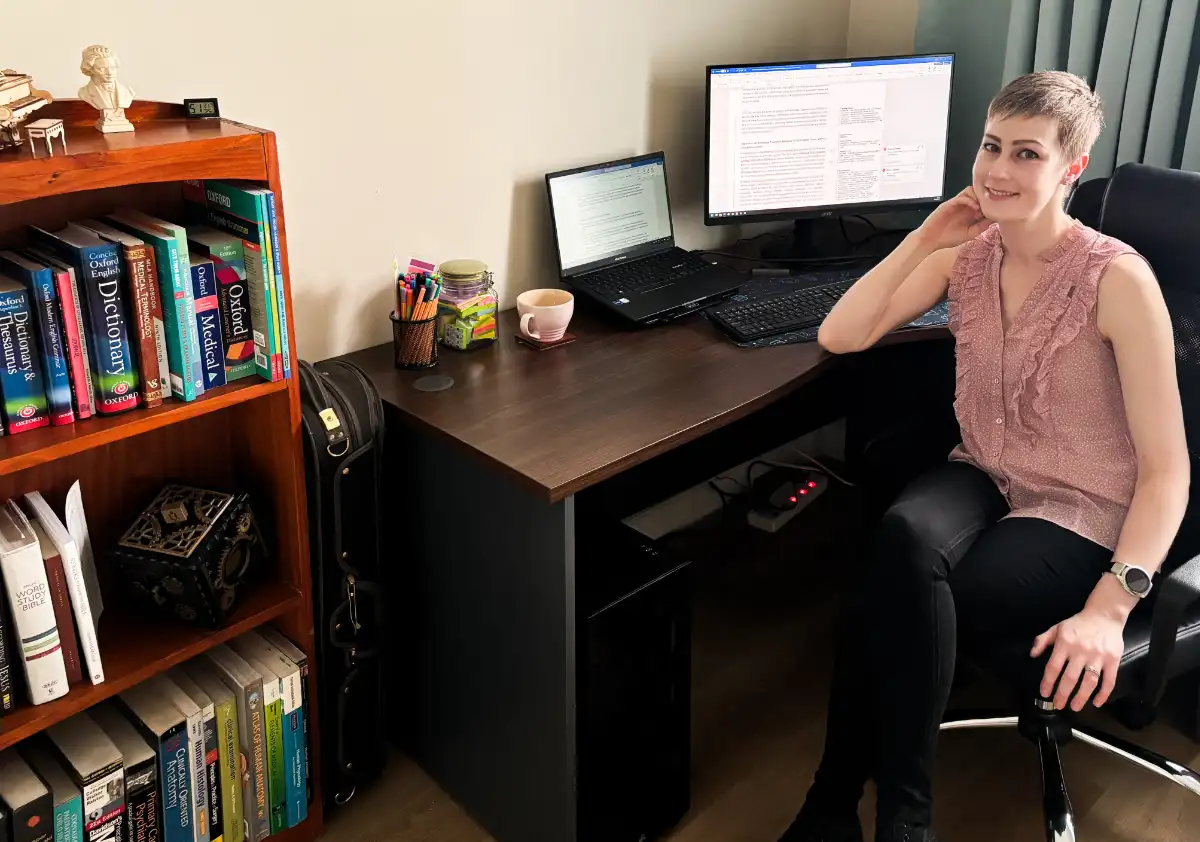
In January 2024 I enrolled in a novel-writing course, Skryf ‘n Roman-kursus at SA Writers’ College, not entirely sure what I expected to find there. What I found was that I already had something to say, and a way of saying it. I began writing short stories in my home study, early mornings before the working day started. A few were published in Huisgenoot and on LitNet. I didn’t quite know what to make of the success. I kept going anyway. Then came my debut novel, Die Oeroue, published in 2025, followed by Die Walvisspeurder in 2026. Suddenly, I had become a published author. The notebook that had spent years pretending to be a legal notepad had become the most important thing on the desk.
At my book launch in Somerset West, my sister told me she was proud of me. In all the years, she had never said that to me before. She was the one our family had always assumed would become a writer, and yet there she was, proud of the wrong sibling.
What I have now instead of certainty and routine is mornings in Sunset Beach with my wife, Irina; coffee in my favourite mug and a notebook; a body of literary work that is only beginning; and the sensation of being almost exactly where I’m meant to be, many years later than I would have liked. Almost exactly, though.
The old shell is gone. What I did not expect was this: that writing would not just fill the space it left but also change the shape of everything around it – the mornings, the silences, the way I move through a room. I did not expect to be surprised, at this age, by my own life. I am.
About the Author

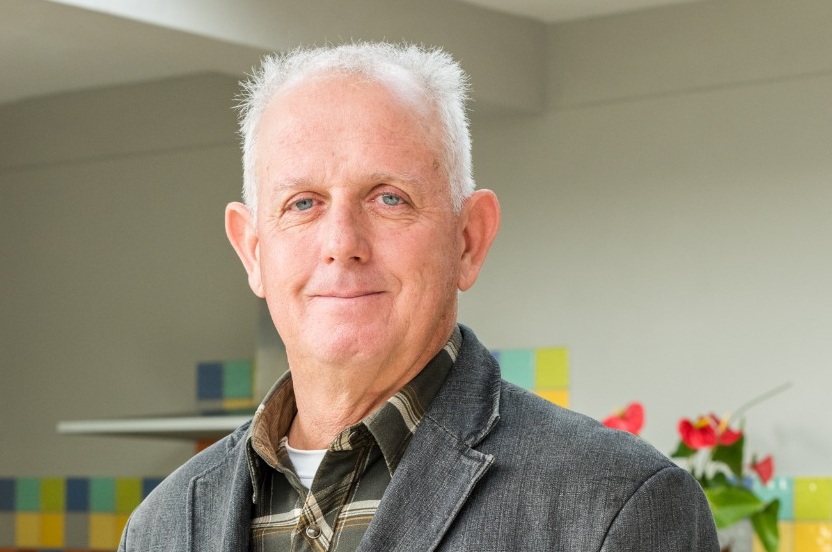
Etienne Lombard was born in Windhoek and practised as an attorney for 33 years before beginning to write in his late fifties. His debut novelle, Die Oeroue, was published by Naledi in 2025, followed by the teen fiction novelle, Die Walvisspeurder (Malherbe Publishers, 2026). He lives in Milnerton, Cape Town with his wife Irina.