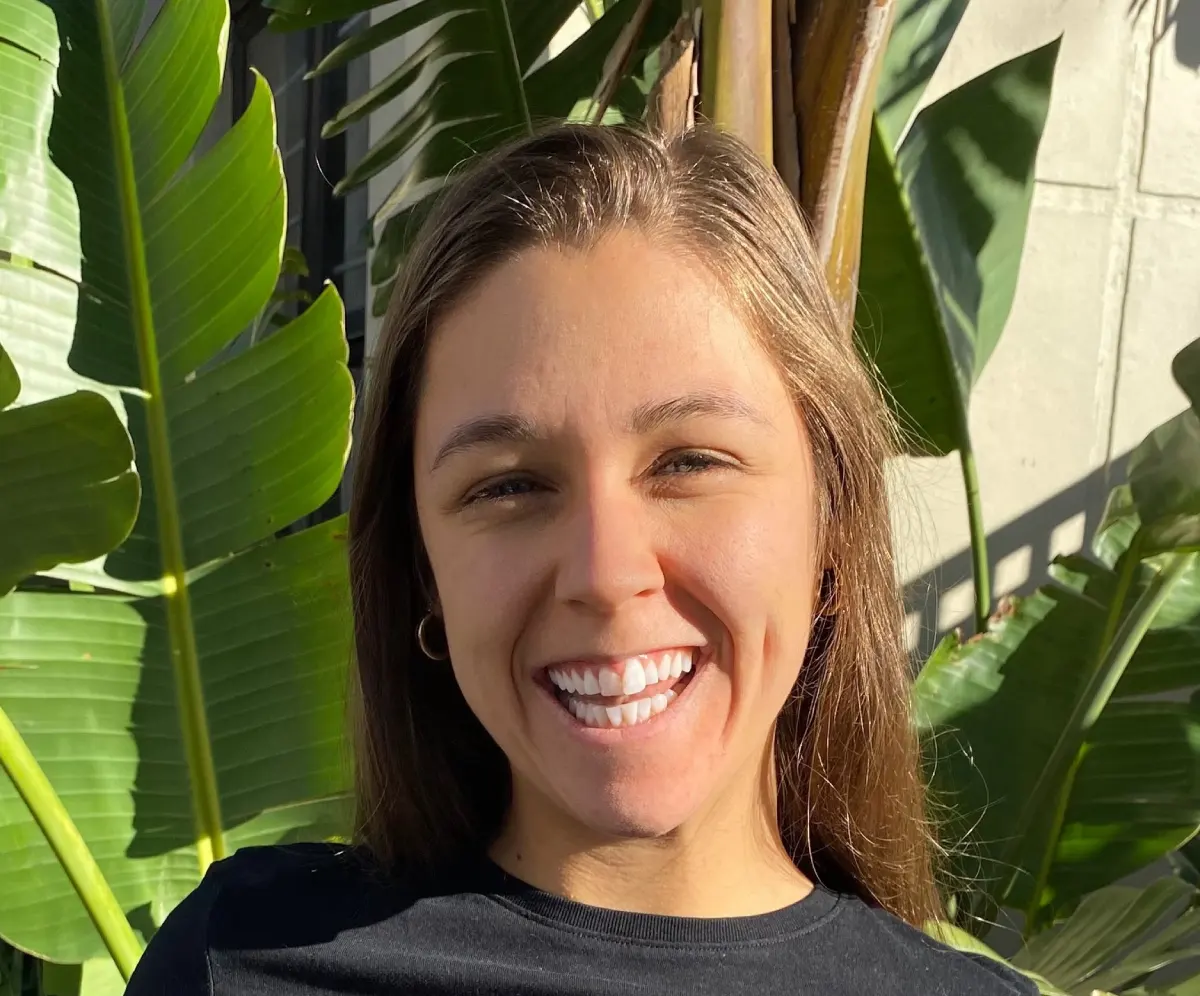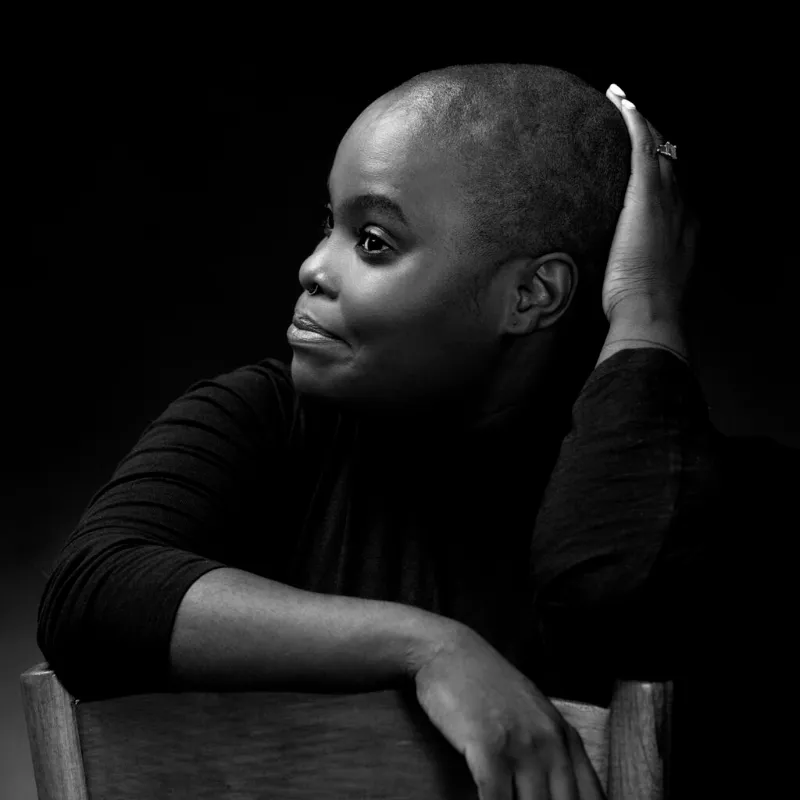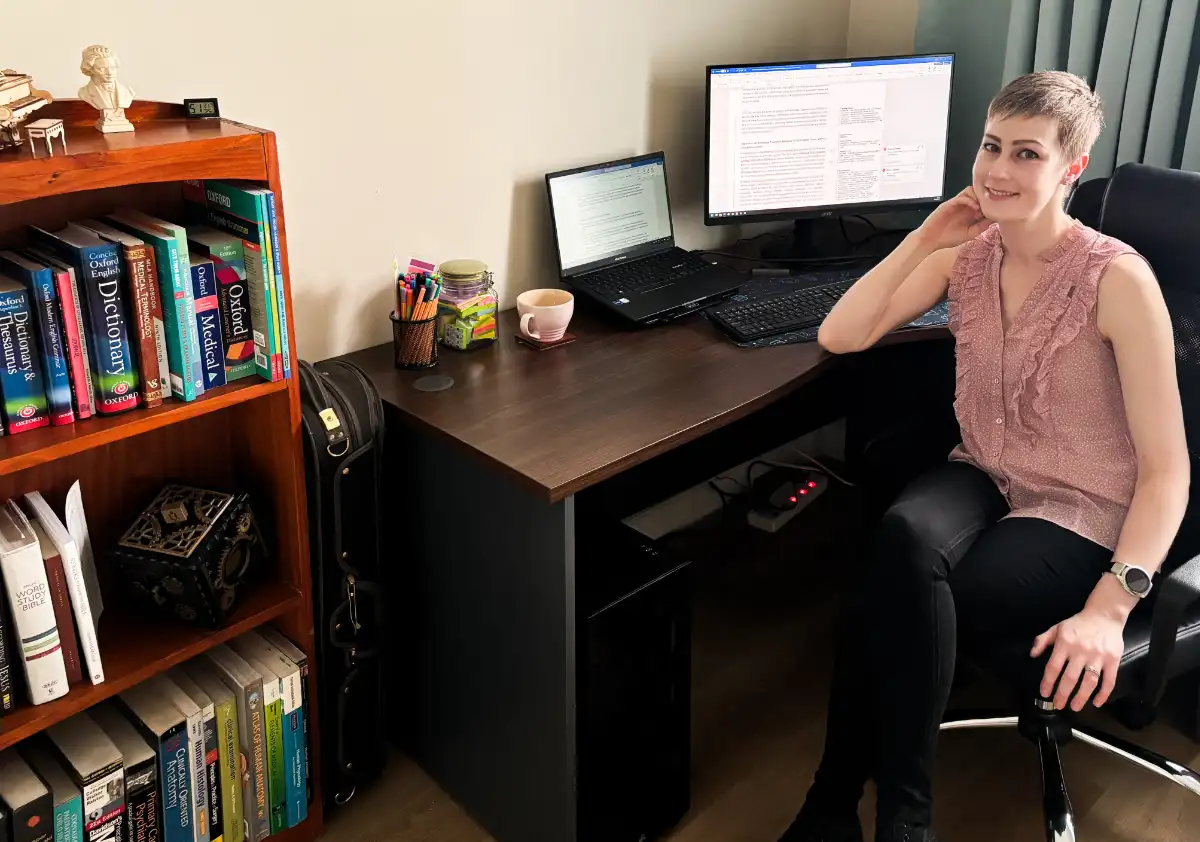
Sharné Denner spent years as a medical doctor before discovering that her real passion lay in polishing prose. After completing our Copy-Editing and Proofreading Course under tutor Di Smith at the start of 2025, followed by a three-month internship, Sharné was offered a part-time position helping edit course content and social media copy for The Writers’ College.
She signed up for the Advanced English Grammar Course soon after. Within six months of her CEP internship, Sharné landed a freelance editing role at SAMA, where she now edits across a range of their medical journals: a natural fit for a former doctor with a newly sharpened editorial eye.
Can you please tell us about some of your editing jobs/successes since completing the course?
Since completing the course, my journey has included a mix of small steps forward, a few lateral moves, and occasional moments that really stand out. There’s a tendency to think ‘success’ has to look big: the corporate title, the fat paycheck, the status … But sometimes success is simply the recognition of a job well done.
My first real breakthrough came after completing the CEP course and an internship with the Writers’ College, when I was offered a part-time position helping edit course content and social media posts. That opportunity was everything to me. It was the moment I thought, maybe I can do this. It was the hand I reached for when I wasn’t sure what came next, and it gave me the confidence to start pursuing other opportunities.
Just under six months later, I landed a freelance editing position at the South African Medical Association, something I’d had my eye on for a long time – a real highlight, and one I still sometimes have to pinch myself over.
What was the biggest gap in your editing skills before you started the course, and what’s different now?
Admittedly, I entered the course at the start of 2025 with very little editorial skill and no experience. I’d dabbled with a Udemy course or two, some self-directed reading and a PEG membership, but the CEP course truly opened my world up. It taught me what a style manual is, how to compose a style sheet, how to approach a document as an editor, not to mention all the finer nuances of proofreading. I didn’t even know how to use Microsoft’s Track Changes function before taking the course.
I was so inspired and impressed that I signed up for the Advanced Grammar course soon after. My appetite had well and truly been stimulated! I still refer to the course material regularly; in fact, I’m sitting the PEG editorial accreditation test in a few weeks and have been rereading all my CEP and Advanced Grammar course notes as preparation. They’ve been excellent resources!

Can you walk us through a specific project or manuscript where you applied something you learned in the course?
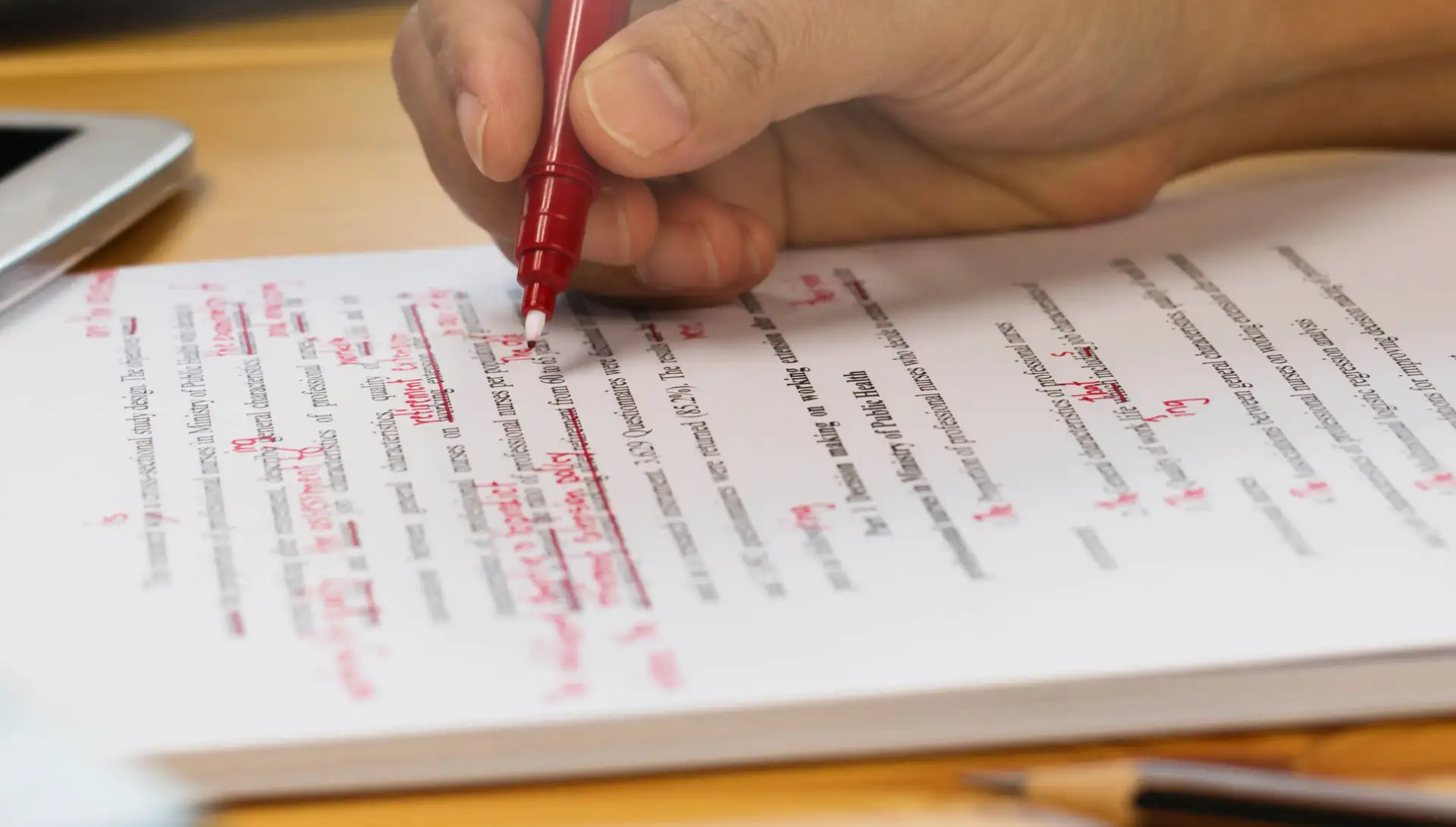
One of the earliest modules in the course covers how to approach a copy-edit – essentially the three stages you should follow. When I first started out editing, one of my biggest challenges was simply knowing where to begin. Spelling? Typos? Layout? It was a real cat-on-a-hot-tin-roof situation. Not pretty.
The steps and stages recommended in that module really helped me develop a consistent approach to editing. And, after all, consistency is one of the most important things in this line of work. When I was given my first academic journal article to edit, that structure was an immense help. Instead of panicking, I could breathe and work through it systemically.
Another thing I found incredibly valuable was learning how to write author queries. At the end of the day, you’re editing the work of someone who has put significant time, effort and energy into their project. It’s easy to forget the person behind the screen and the words. Wording queries clearly and respectfully is something I’ll never stop emphasising, and I use that skill every single day.
What surprised you most about the course, something you didn’t expect to learn or that changed how you think about copy-editing and proofreading?
Interestingly – and I still catch myself forgetting this sometimes – copy-editing and proofreading are not the same thing, despite how often they’re advertised or described together as one service. I’d always assumed they were interchangeable. Not so.
In that same vein, I had no idea just how many ‘levels’ of editing exist: structural, line, developmental; light, medium and heavy … It’s a lot to take in, but it’s an important distinction. Receiving a 200-page manuscript at 7pm on Friday for a structural or developmental edit is a very different job to receiving it for a proofread. One is a stroll in the park; the other is a caffeine-fuelled rollercoaster ride, and knowing the difference may save you a lot of tears and energy.
What would you say to someone who’s on the fence about signing up for this course?
I think editing is a particularly daunting field to go into, because there isn’t a single, clear-cut career path the way there is for something like medicine or engineering. For example, there are at least three different degrees – communications, journalism and English – that could all be relevant, which makes the choice feel almost impossible.
This course offers a brilliant lay of the land, no matter your level of experience. Carol Fisher Saller, author of The Subversive Copy Editor, wrote: ‘Knowing how to tinker with a broken piece of prose until it hums is a source of contentment known by all who have mastered a worthy craft.’ If this resonates with you, the CEP course is a surefire way to hone your craft. Read more about the course here.
About the Author
Sharné Denner is a freelance copy-editor and proofreader with a rare combination of credentials: a medical degree paired with formal editorial training.
After completing her medical qualification and a postgraduate diploma in clinical trial management, Sharné discovered that her true calling lay in the precision and craft of language. She retrained as a copy-editor through SA Writers’ College, completing both the Copy-editing and Proofreading Course and the Advanced Grammar Course, followed by a formal editorial internship. She is a member of the Professional Editors’ Guild (PEG) of South Africa.
Sharné now works as a freelance copy-editor across fiction and non-fiction, bringing a depth of subject-matter expertise to medical journals that few editors can match.
Contact Sharné for editing work at sharnedenner@gmail.com.